
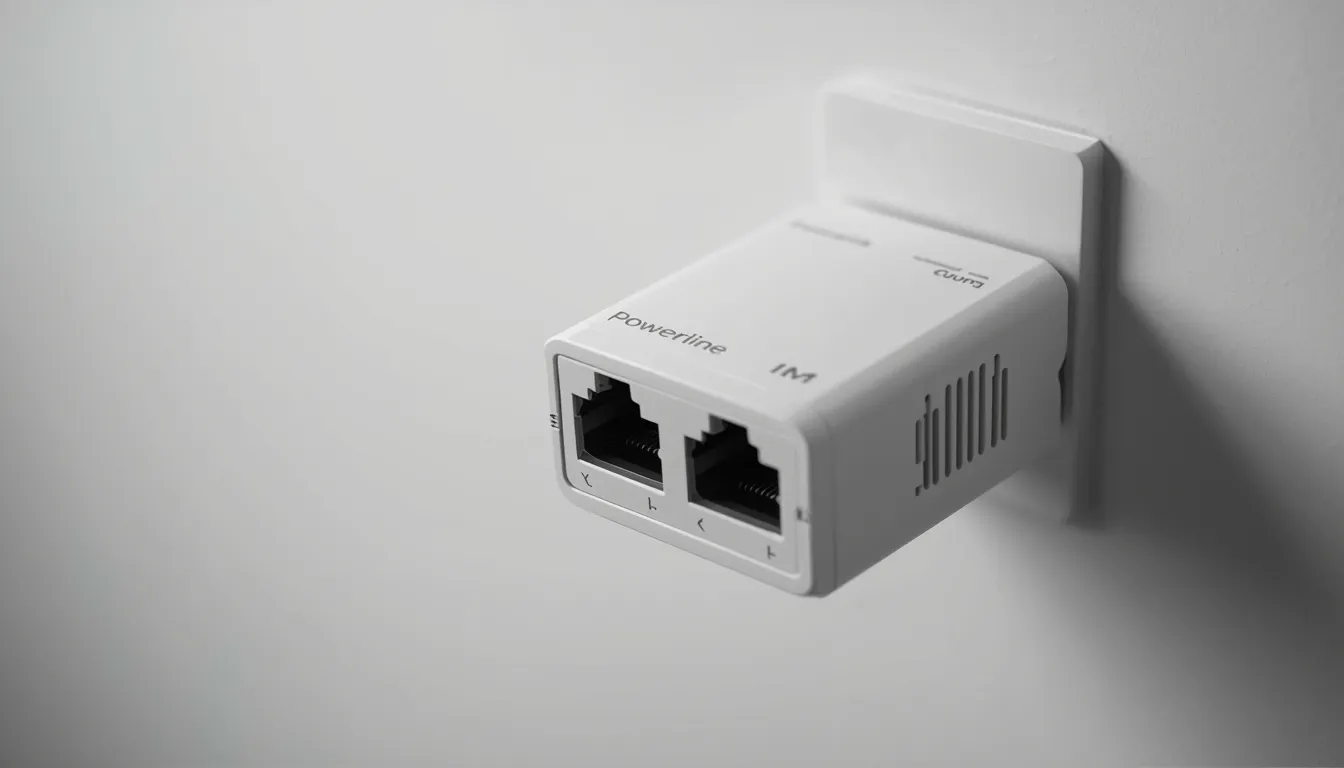
If your Wi-Fi drops the minute you walk upstairs or your domestic office sits in a dead zone, a powerline Ethernet adapter can feel like a little marvel. It guarantees wired-like stability without penetrating gaps or running long cables—and in numerous U.S. homes, it really delivers.
I’ve utilized powerline connectors in lofts, more seasoned houses with thick dividers, and indeed a confined carport office. When they’re a great fit, they unobtrusively fathom issues that switches and extenders battle with.
What a Powerline Ethernet Adapter Actually Does?
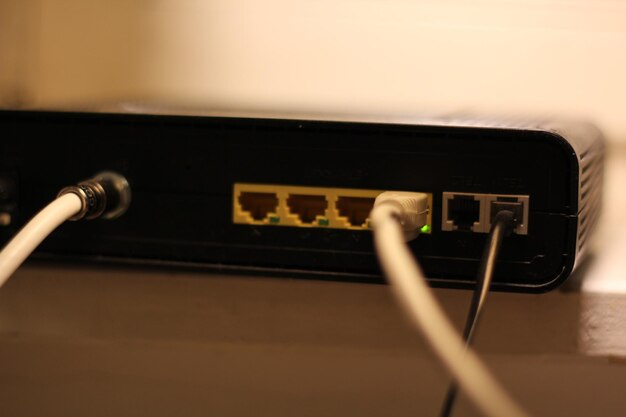
A powerline Ethernet adapter sends web information through your home’s existing electrical wiring. Instep of depending on radio waves like Wi-Fi, it turns your control lines into a information pathway.
Read Also: Chromecast Ultra Gaming Performance Review: Is It Good?
You plug one connector into a divider outlet close your switch and interface it with an Ethernet cable. A moment adapter goes into another outlet close the gadget you need online—PC, smart TV, support, or get to point. The two adapters communicate over the electrical circuit, carrying data nearby the ordinary AC power.
Think of it as making a private wired burrow interior the dividers you as of now have.
How Powerline Ethernet Works (Step by Step)?
Understanding the handle makes a difference clarify why execution shifts from house to house.
1. Data Conversion at the Router Side
The first adapter gets internet data from your router by means of Ethernet. Interior the connector, a chipset tweaks that information into a high-frequency flag that won’t meddled with standard 60 Hz electrical power.
2. Transmission Over Electrical Wiring
That balanced flag voyages through the copper wiring in your dividers. It remains on the same electrical circuit—or in some cases over circuits, depending on your home’s wiring and breaker layout.
3. Signal Reception and Decoding
The second adapter tunes in for that flag, demodulates it back into Ethernet information, and sends it to your gadget through a standard Ethernet port. From your computer’s point of view, it looks fair like a wired Ethernet connection.
Why Powerline Adapters Can Be Faster Than Wi-Fi?
In real homes, Wi-Fi fights a lot of enemies: distance, walls, metal ducts, appliances, and neighboring networks. Powerline adapters avoid most of that. From my experience, they often outperform Wi-Fi in these situations:
-
Homes with plaster or brick walls
-
Multi-story houses where routers sit on one floor
-
Garages or basements far from the router
-
Apartments with crowded wireless channels
Latency is usually lower and more consistent, which matters for video calls and online gaming.
Real-World Speeds: What to Expect in the USA
Manufacturers advertise speeds like 1000 Mbps or 2000 Mbps, but those are theoretical. In U.S. homes, real-world results depend on wiring age, layout, and electrical noise. Typical performance I’ve seen:
You Must Also Like: Why the Chromecast Ultra Is Better Than Google TV?
-
Newer homes (post-2000 wiring): 200–600 Mbps
-
Older homes: 80–300 Mbps
-
Across breaker panels: Possible, but speeds drop
That’s still more than enough for 4K streaming, remote work, and gaming.
Powerline vs. USB to Ethernet Adapter: Know the Difference
People often confuse powerline adapters with a USB to ethernet adapter, but they solve very different problems.
| Feature | Powerline Ethernet Adapter | USB to Ethernet Adapter |
|---|---|---|
| Purpose | Extend network through wiring | Add Ethernet port to a device |
| Uses wall power lines | Yes | No |
| Replaces Wi-Fi | Often | No |
| Typical scenario | Reaching distant rooms | Laptops without Ethernet |
A USB to ethernet adapter is great when your laptop lacks a network port. A powerline adapter is about distance and stability across your home. I’ve used both together—USB Ethernet on a thin laptop connected to a powerline adapter in a back room.
When Powerline Adapters Work Best (and When They Don’t)
Ideal Situations
-
You want wired stability without running cables
-
Your router location can’t be changed
-
Wi-Fi extenders aren’t cutting it
-
You’re renting and can’t drill walls
Less Ideal Situations
-
Very old or inconsistent wiring
-
Homes with multiple sub-panels
-
Outlets controlled by noisy appliances
-
Surge protectors between adapter and outlet
Plugging adapters directly into wall outlets—not power strips—makes a noticeable difference.
Setup: What Installation Really Looks Like
One reason I recommend powerline adapters is how little setup they require.
Basic setup takes about five minutes:
-
Plug the first adapter into a wall outlet near your router
-
Connect it to the router with Ethernet
-
Plug the second adapter into a distant outlet
-
Connect your device via Ethernet
-
Press the “Pair” button (on most models)
That’s it. No apps, no accounts, no complicated menus.
Security: Is Powerline Ethernet Safe?
Yes, when configured correctly.
Most new powerline adapters use 128-bit AES encryption. Pairing buttons ensure that only adapters you authorize can communicate. Your data stays within your electrical network and isn’t accessible to neighbors.
In shared buildings, I always recommend pairing adapters immediately rather than relying on default settings.
Powerline vs. MoCA: A Common Comparison
Some U.S. homes—especially those with cable internet—also consider MoCA (Multimedia over Coax Alliance) adapters. You may have seen guides like Verizon MoCa ethernet adapter setup for homes wired with coax.
Here’s the practical difference:
-
MoCA: Uses coaxial cable, usually faster and more stable
-
Powerline: Uses electrical wiring, easier to deploy anywhere
If your home already has unused coax jacks, MoCA can be excellent. If not, powerline is more flexible and doesn’t require touching cable infrastructure.
Common Myths About Powerline Ethernet Adapters
They interfere with electrical devices.: New adapters operate on frequencies far above household power. I’ve never seen lights flicker or appliances malfunction.
They don’t work across floors: They often do. Performance depends more on wiring layout than floor count.
They’re obsolete because Wi-Fi 6 exists.: Not true. Even the best Wi-Fi struggles in certain buildings. Wired-like connections still matter.
Practical Tips from Real Use
These small choices can significantly improve results:
-
Use outlets on the same circuit if possible
-
Avoid plugging adapters near refrigerators or microwaves
-
Update firmware if the manufacturer provides it
-
Test multiple outlets in the room—some perform better
I once gained nearly 100 Mbps simply by switching outlets on the same wall.
Can You Use Powerline with Mesh Wi-Fi?
Yes—and it’s a keen move.
Powerline adapters can act as a wired backhaul for work hubs, improving consistency in hard-to-reach rooms. This half breed approach works particularly well in long ranch-style homes common in the U.S.
Where USB Naar Ethernet Adapter Fits In?
You might see the phrase USB Naar ethernet adapter in international listings—it’s simply another way of saying USB to Ethernet adapter. These are useful companions when your laptop or mini PC lacks an Ethernet port but don’t replace powerline networking.
I keep one in my travel bag for hotels and remote offices.
Is a Powerline Ethernet Adapter Worth It?
If you need steady web without running cables, a powerline Ethernet adapter is frequently the most viable center ground. It’s not enchantment, and it won’t beat a committed Ethernet run, but in genuine homes, it tackles genuine problems.
For farther workers, gamers, and anybody tired of Wi-Fi roulette, it’s one of the least complex upgrades you can make—plug it in, combine it, and get back to work.
When it works well, you disregard it’s indeed there. And that’s precisely what great networking should feel like.